
Travel questions? Speak to an expert 24/7
Serengeti National Park is Tanzania’s most iconic safari destination, covering over 14,000 square kilometers of savannah, woodlands, and riverine landscapes. It is famous for its dramatic landscapes, breathtaking sunsets, and abundant wildlife, making it a top choice for travelers seeking an authentic African safari.
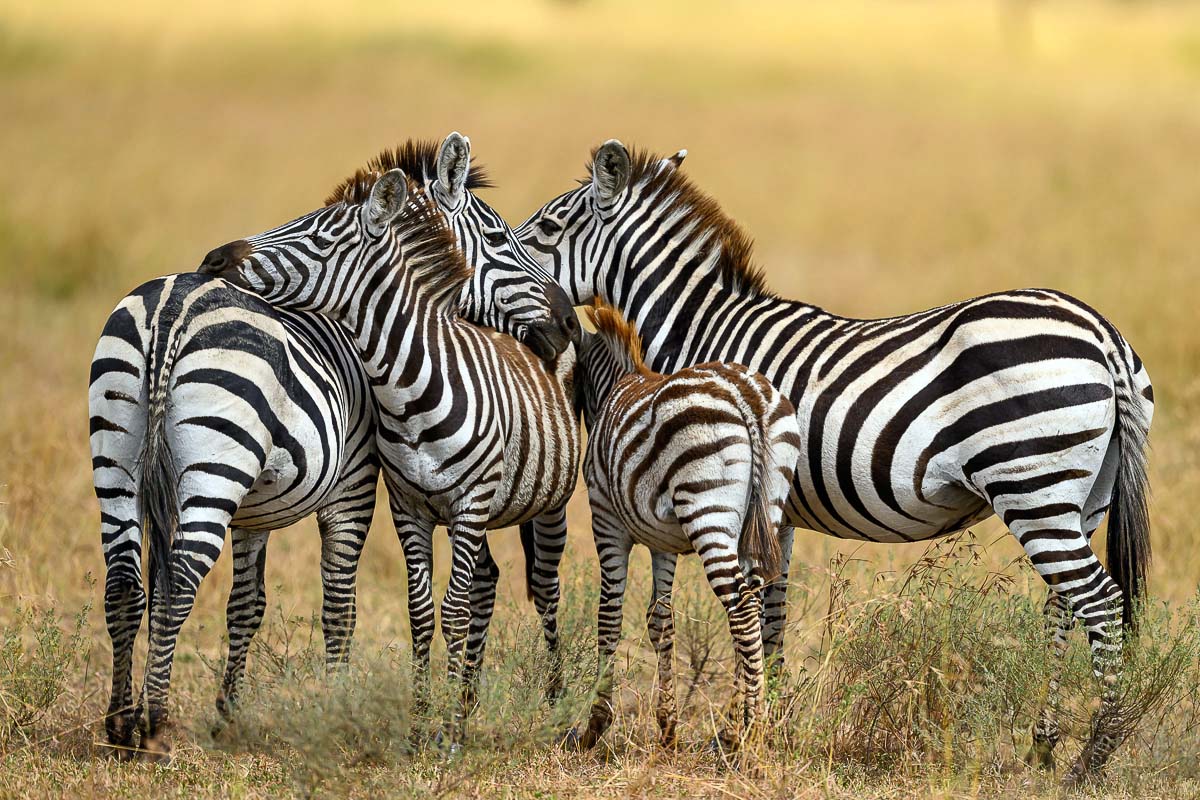
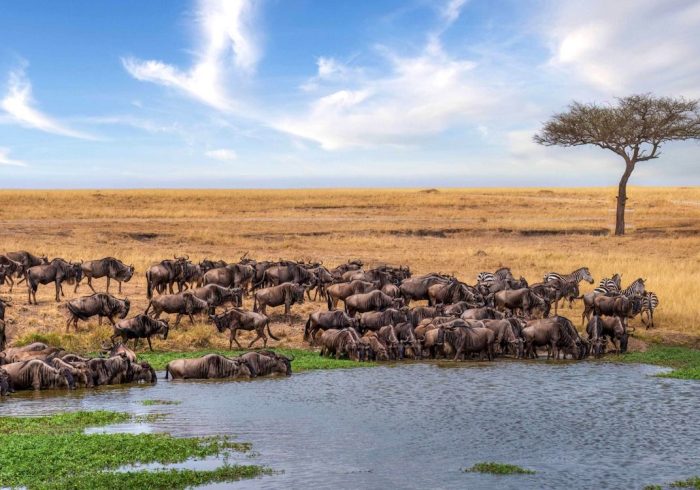
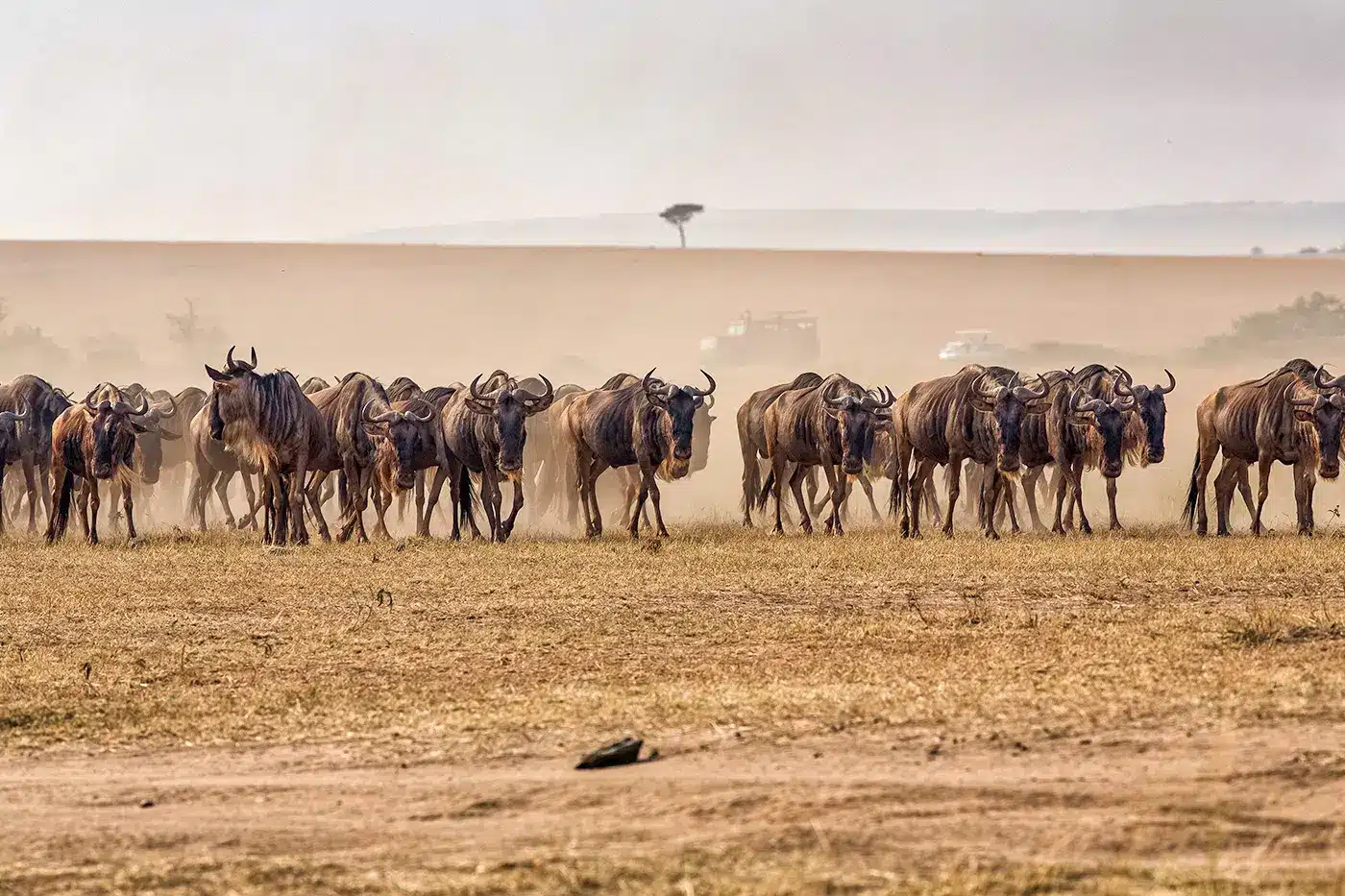
Serengeti is also home to the legendary Great Migration, where millions of wildebeest and zebras traverse the plains in search of fresh grazing, creating one of the most spectacular wildlife events on the planet.
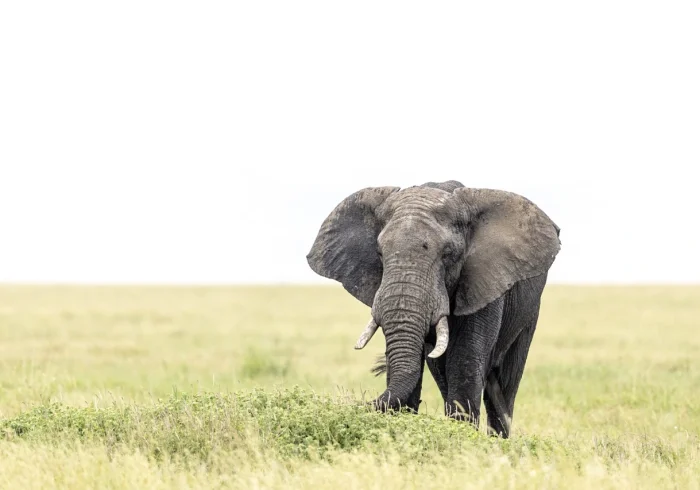
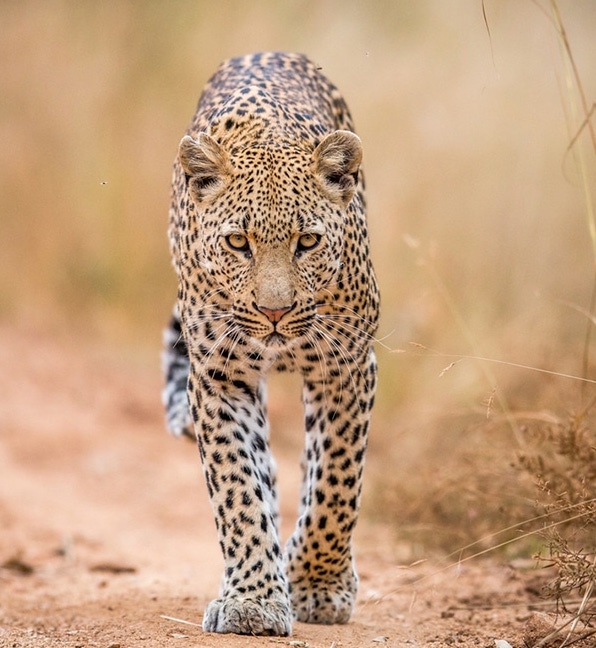
Serengeti is home to the Big Five – lions, elephants, leopards, buffalo, and rhinos – as well as cheetahs, giraffes, hippos, and countless bird species.
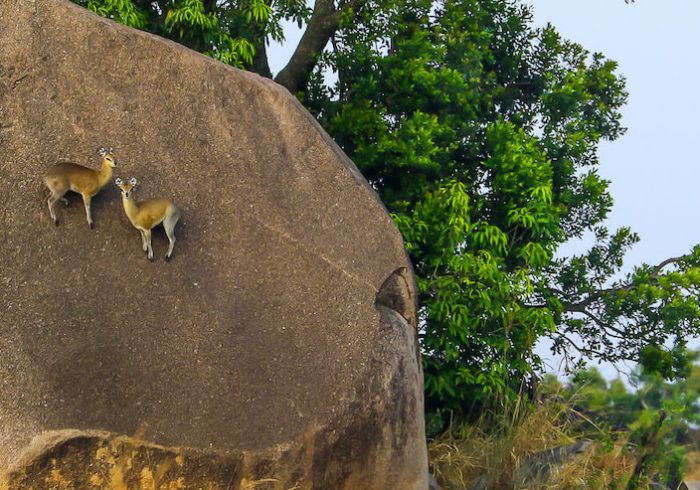
The park features iconic landmarks such as the kopjes, which are rocky outcrops that provide vantage points for wildlife observation. Seasonal rivers, grassy plains, and shaded acacia woodlands offer diverse habitats that make every safari game drive unique.
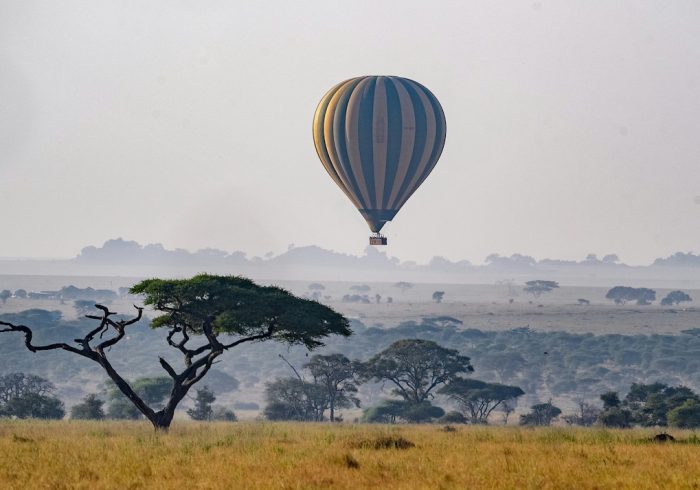
Visitors can embark on game drives across the vast plains, enjoy hot air balloon safaris at sunrise for panoramic views, participate in guided walking safaris, and take photography safaris to capture unforgettable moments.
The Great Migration, occurring between June and October, is a must-see spectacle. Birdwatchers can also enjoy spotting hundreds of species, including eagles, storks, and flamingos, depending on the season.
The fastest way to reach Serengeti is by charter or scheduled flights from Arusha or Kilimanjaro International Airport to several airstrips in the park. Road transfers are also possible, though they take longer, usually 6–8 hours from Arusha or 2–3 hours from Ngorongoro. Many safari operators combine Serengeti with Ngorongoro or Tarangire for a Northern Circuit safari experience.
Serengeti experiences two main seasons: the dry season from June to October with cooler, clear days ideal for wildlife spotting, and the wet season from November to May when the landscape becomes lush and green. Temperatures range from 15°C to 28°C, and the wet season brings dramatic skies and newborn animals, making it a great time for predator-prey interactions.

Sekei, Arusha, Tanzania
+255 683 995 852+255 764 787 115
+255 763 908 002
info@thamaniafricansafaris.com
Sekei, Arusha, Tanzania
+255 683 995 852+255 764 787 115
+255 763 908 002
info@thamaniafricansafaris.com
Copyright © Thamani African Safaris. All rights reserved.