
Travel questions? Speak to an expert 24/7
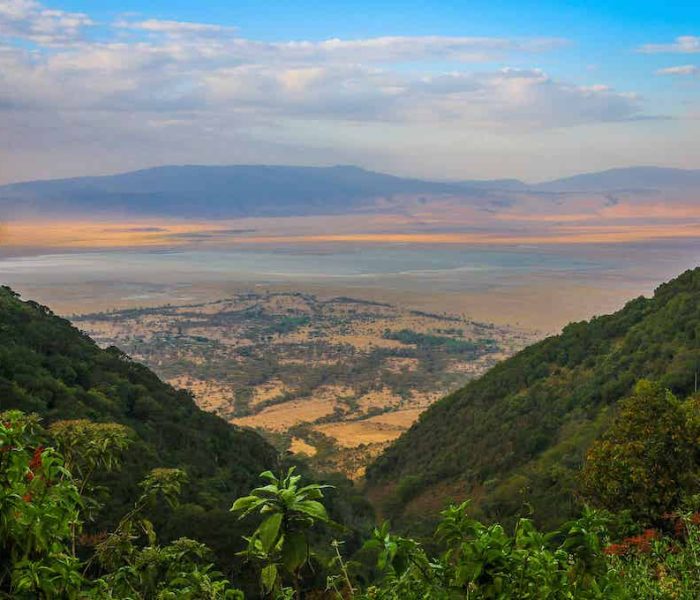
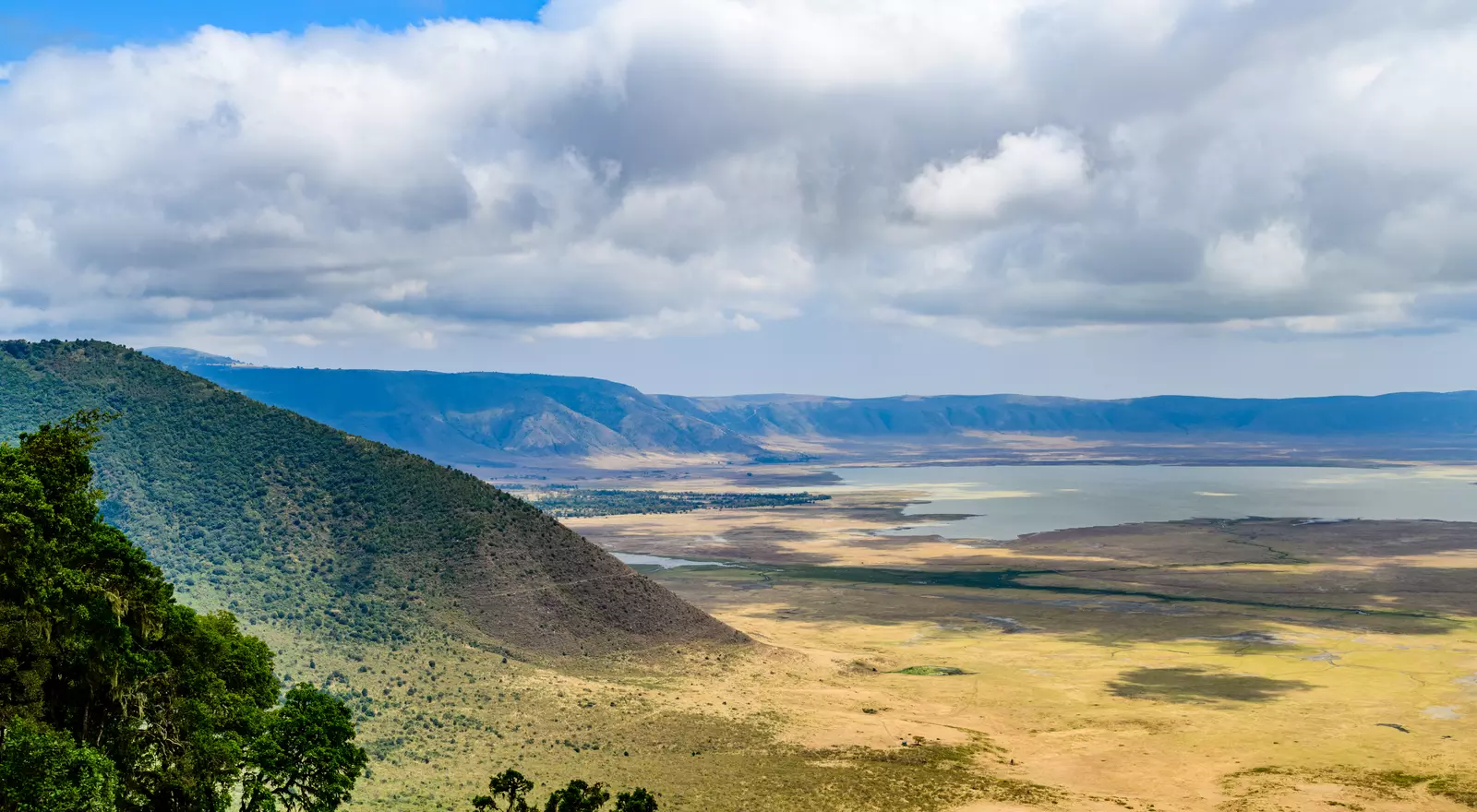
Ngorongoro Crater is a UNESCO World Heritage Site and the largest intact volcanic caldera in the world. Its unique ecosystem, with steep crater walls and a fertile floor, supports one of the densest concentrations of wildlife on Earth.
The crater’s dramatic scenery combined with abundant wildlife makes it a bucket-list safari destination. Surrounding highlands also offer stunning viewpoints, local Maasai villages, and photographic opportunities unmatched anywhere else in Africa.
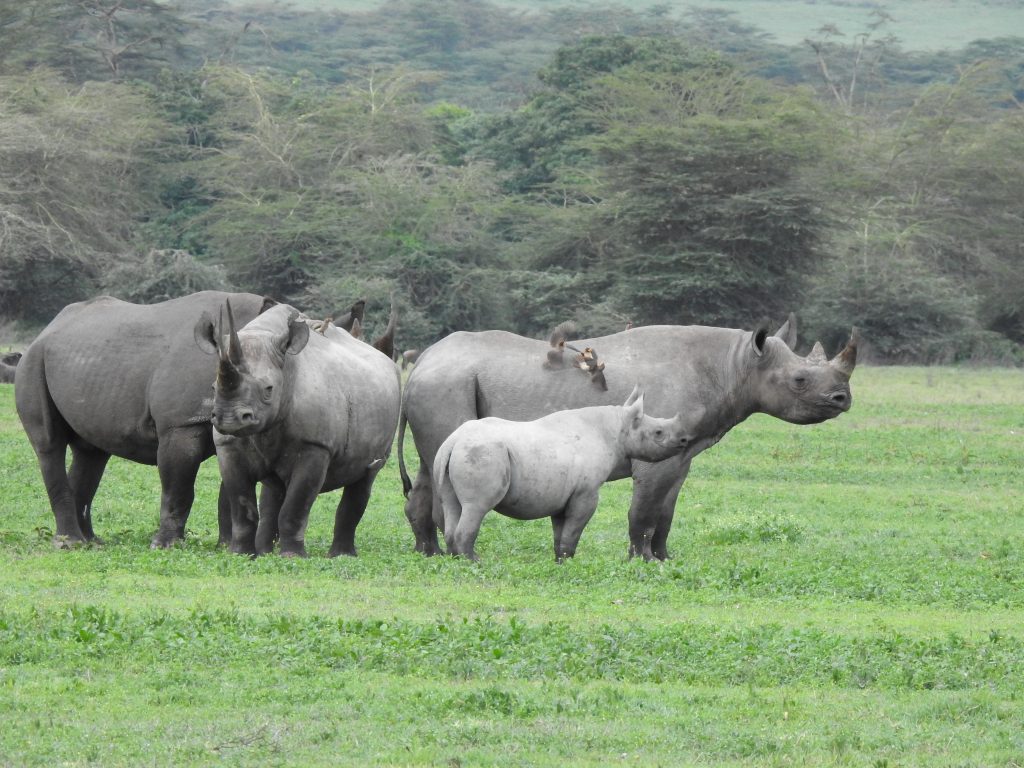
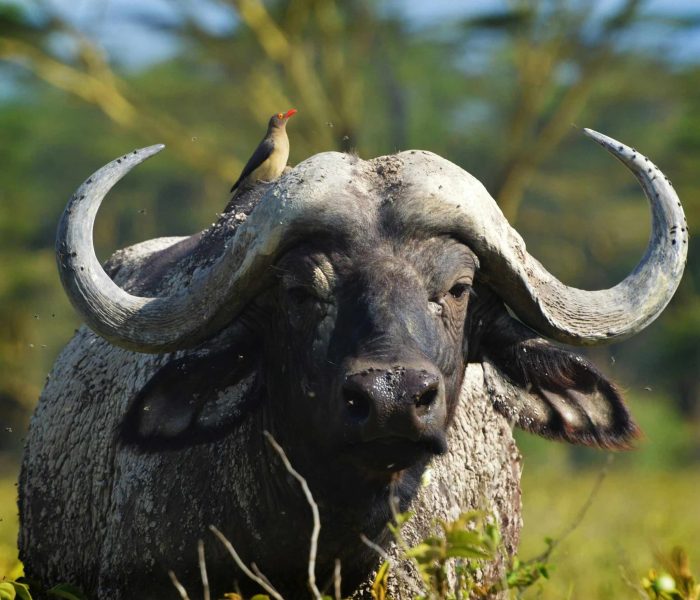
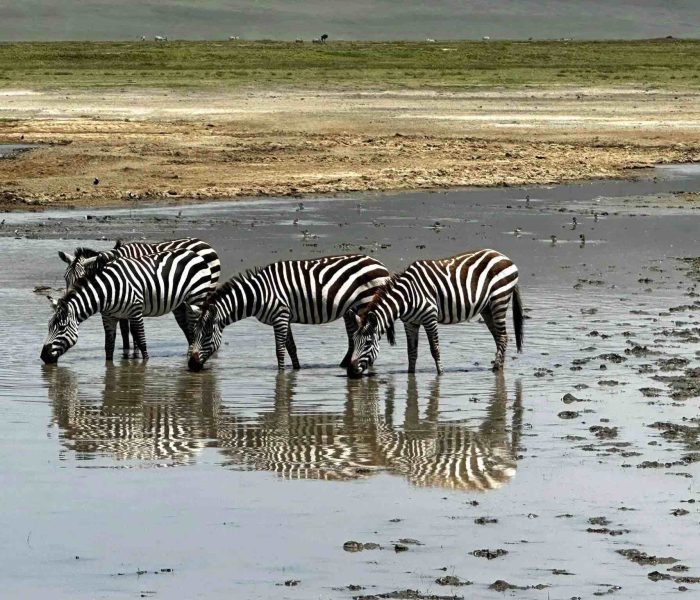
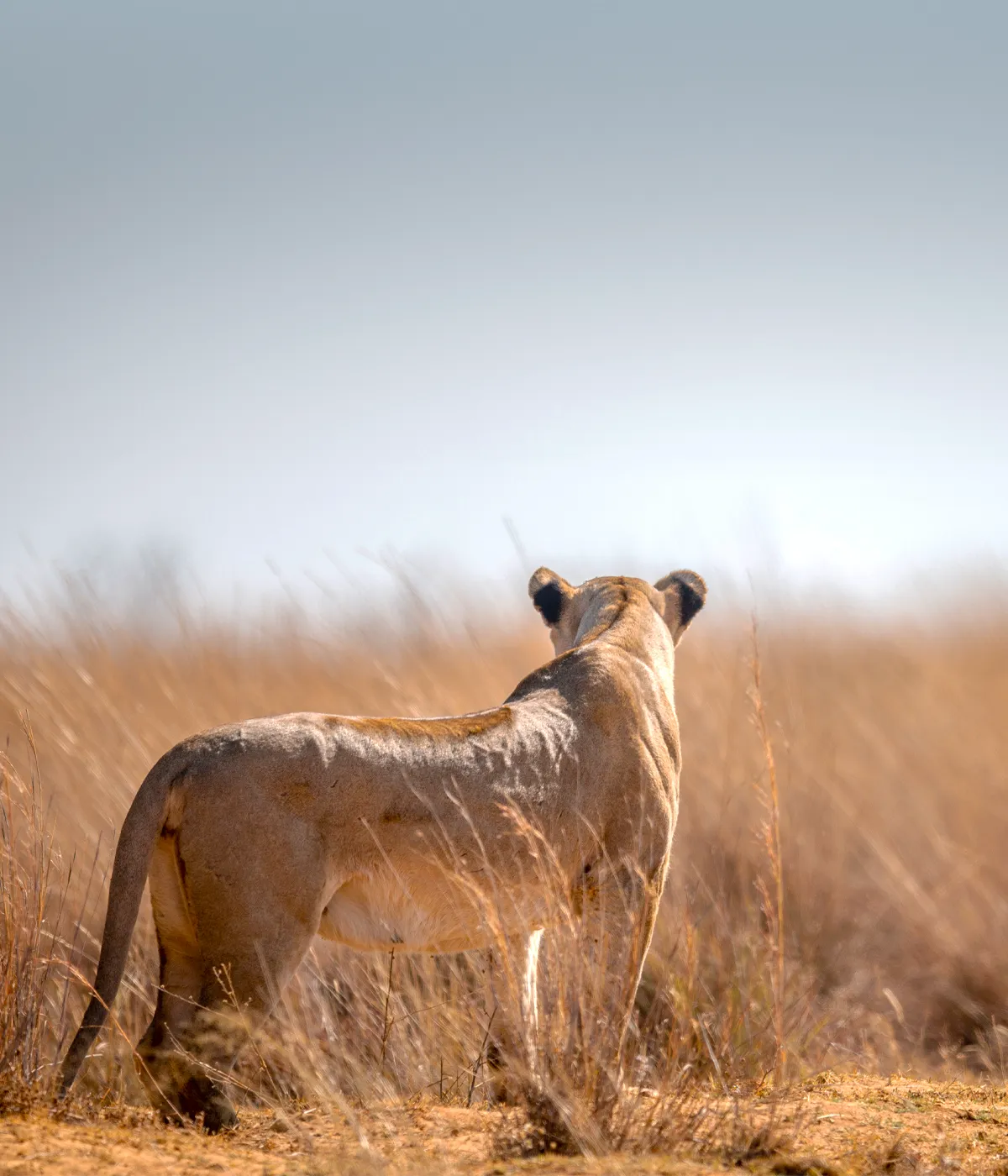
The crater floor hosts a rich variety of wildlife including lions, elephants, buffaloes, zebras, hippos, and critically endangered black rhinos.
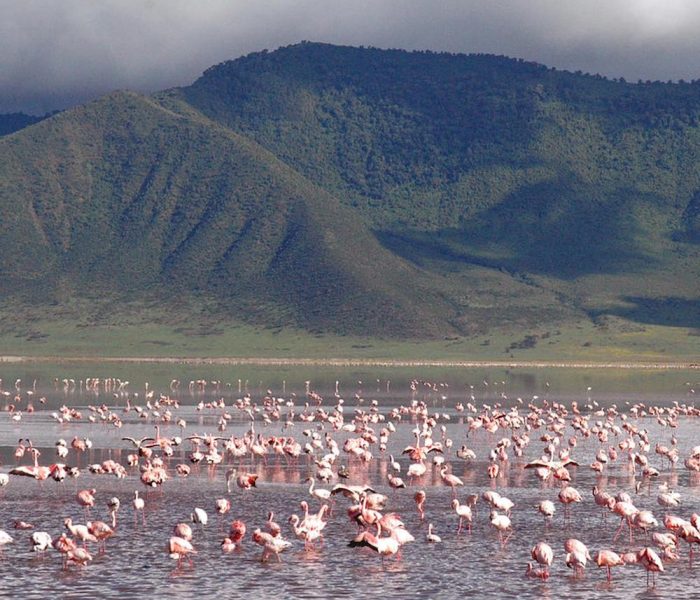
Lake Magadi and seasonal soda lakes attract flocks of flamingos and other waterbirds. Visitors can also see hyenas, jackals, and a range of predators that thrive in this enclosed ecosystem.
The main activity in Ngorongoro is game drives on the crater floor, where wildlife is often concentrated around water sources.
Visitors can enjoy guided safaris, photography expeditions, and cultural tours to Maasai villages surrounding the crater. Walking along the crater rim offers spectacular panoramic views of the caldera below and surrounding savannahs.
Ngorongoro is approximately 3–4 hours by road from Arusha and is often included in Northern Circuit safari packages. Road access is easy, and most lodges and camps are situated along the crater rim or in nearby Ngorongoro Conservation Area.
The crater has a mild climate year-round, with daytime temperatures ranging from 20°C to 25°C. The dry season from June to October offers excellent wildlife viewing, while the wet season from November to May creates lush landscapes and vibrant vegetation, perfect for photography and seeing newborn wildlife.

Sekei, Arusha, Tanzania
+255 683 995 852+255 764 787 115
+255 763 908 002
info@thamaniafricansafaris.com
Sekei, Arusha, Tanzania
+255 683 995 852+255 764 787 115
+255 763 908 002
info@thamaniafricansafaris.com
Copyright © Thamani African Safaris. All rights reserved.